
Roof Leak in Dallas? What to Do in the First 24 Hours
October 15, 2026 · 5 min read · By the LoneRidge Roofing Team
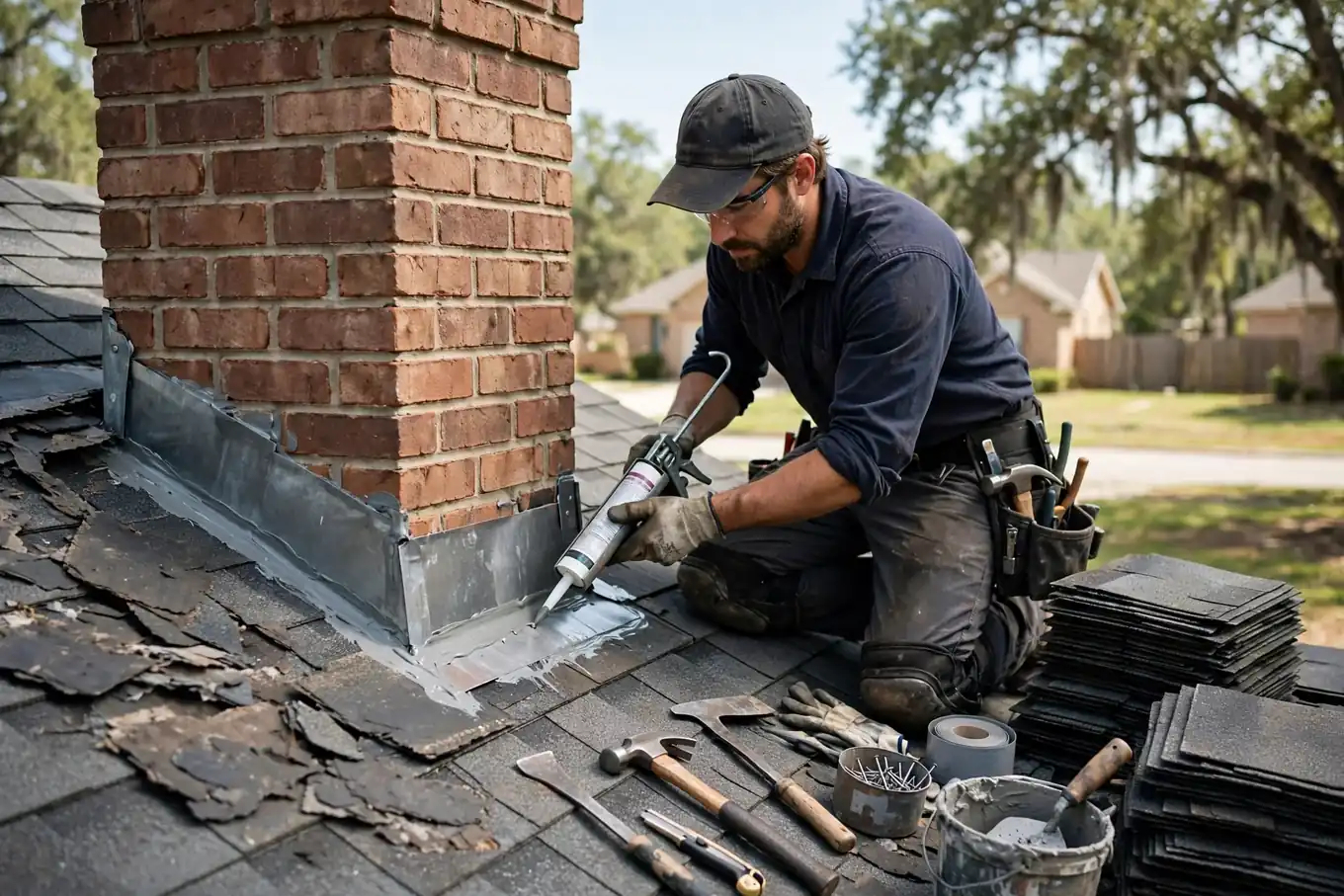
A ceiling stain during a North Texas thunderstorm is stressful, but most leaks are manageable if you act in the right order. Here is what to do in the first 24 hours to limit damage and set up a lasting repair.
1. Protect the inside of the house
Move furniture and electronics away from the drip and put down a bucket or tarp. If a section of ceiling is bulging with water, puncture it with a screwdriver at the lowest point to let the water drain into a bucket. That prevents a larger section of drywall from collapsing. If water is near light fixtures or outlets, turn off power to that area at the breaker.
2. Do not climb on a wet roof
Wet shingles are slippery and storm-damaged decking may not hold weight. Inspect what you can from the ground and the attic, and leave the roof itself to a roofer with fall protection.
3. Check the attic for the source
With a flashlight, look for wet decking, dripping nails or damp insulation. Water often enters higher up the slope than where it shows on the ceiling, so trace any trail uphill. Common sources are cracked pipe boots, chimney flashing, valleys and missing shingles.
4. Arrange a temporary dry-in
A properly secured tarp or temporary patch stops further damage until a permanent repair can be made. Most homeowners policies expect you to take reasonable steps to prevent additional damage, so keep receipts for emergency work.
5. Document everything
Photograph the ceiling, the attic, any debris and the date of the storm. If hail or wind caused the leak, this documentation supports an insurance claim.
6. Schedule a proper repair
A lasting repair fixes the cause, not just the stain. Ask for photos of the entry point and a written scope that says exactly what will be replaced. If the roof is older or the damage is widespread, the inspector should tell you whether repair or replacement makes more sense.
Not Sure What Your Roof Needs?
Book an inspection and see photos of your own roof before you decide.
Questions, Answered
An active leak should be dealt with within a day or two. Water damages insulation, drywall and framing quickly, and wet materials can grow mold within 24 to 48 hours.
Leaks that appear only in hard, wind-driven rain usually point to flashing, valleys or lifted shingles, where water is pushed sideways under the roof covering.
Leaks caused by a sudden covered event such as hail or wind are often covered. Leaks from wear, age or lack of maintenance usually are not.