Roof Inspection Checklist for Texas Homeowners
October 20, 2026 · 7 min read · By the LoneRidge Roofing Team
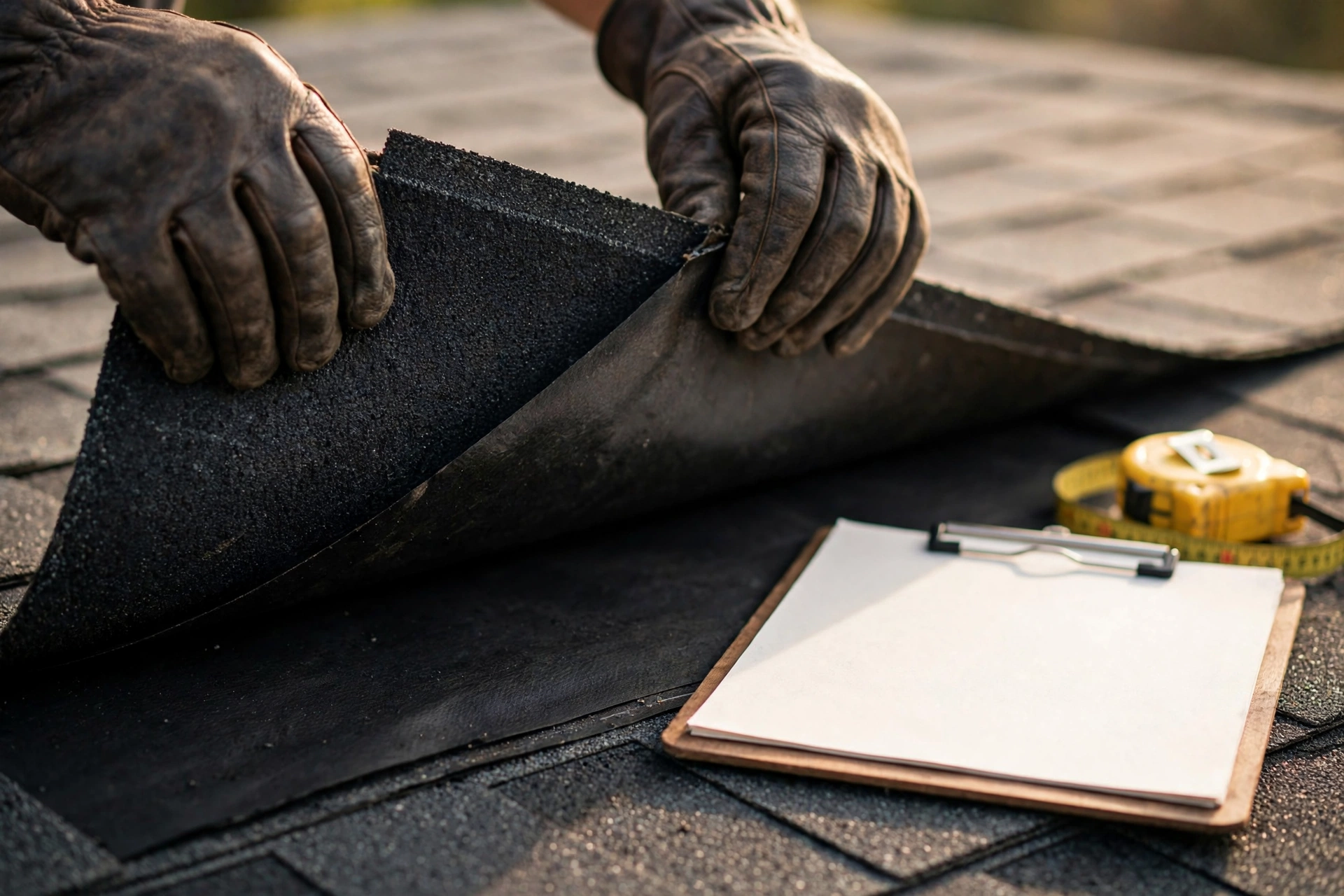
A roof inspection is only as useful as what it covers. Some inspections are a five-minute look from the driveway; a proper one takes 45 to 90 minutes, includes the attic when it is accessible, and ends with photos of what was found. This checklist explains what a thorough inspection on a Texas home should cover, so you can tell the difference and know what to ask for.
When to schedule a roof inspection
In North Texas, the most useful times are early spring, before hail season peaks, and again in fall after a summer of heat. You should also book an inspection after any storm with hail larger than about one inch or sustained high winds, before buying or selling a home, and whenever you notice a ceiling stain or granules collecting at the downspouts.
If you plan to file an insurance claim, inspect soon after the storm. Most policies require prompt notice of a loss, and fresh damage is easier to document than damage that has been weathered for a year.
Roof surface: shingles, tiles or membrane
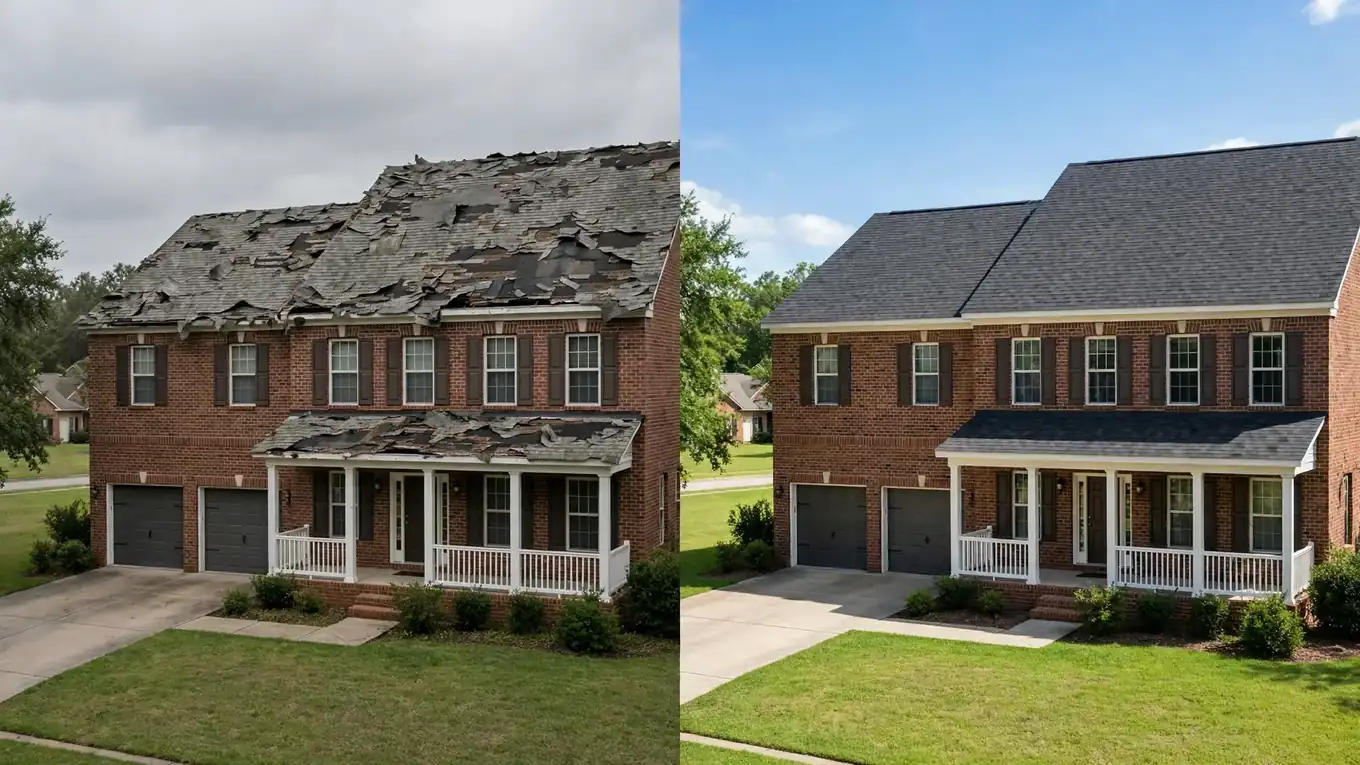
The inspector should walk every slope that is safe to walk and photograph each one. On asphalt shingles, they are looking for hail bruising (soft spots where the mat is fractured under the granules), cracked or missing tabs, lifted edges where the sealant bond has failed, and heavy granule loss. On tile, they check for cracked or slipped pieces. On flat roofs, they look for ponding, blisters and open seams.
- ★Hail impacts, often marked with chalk circles inside a test square
- ★Wind-lifted, creased or missing shingles
- ★Granule loss exposing the asphalt mat
- ★Exposed or backed-out nails
- ★Previous repairs and whether they were done correctly
Flashing, valleys and penetrations
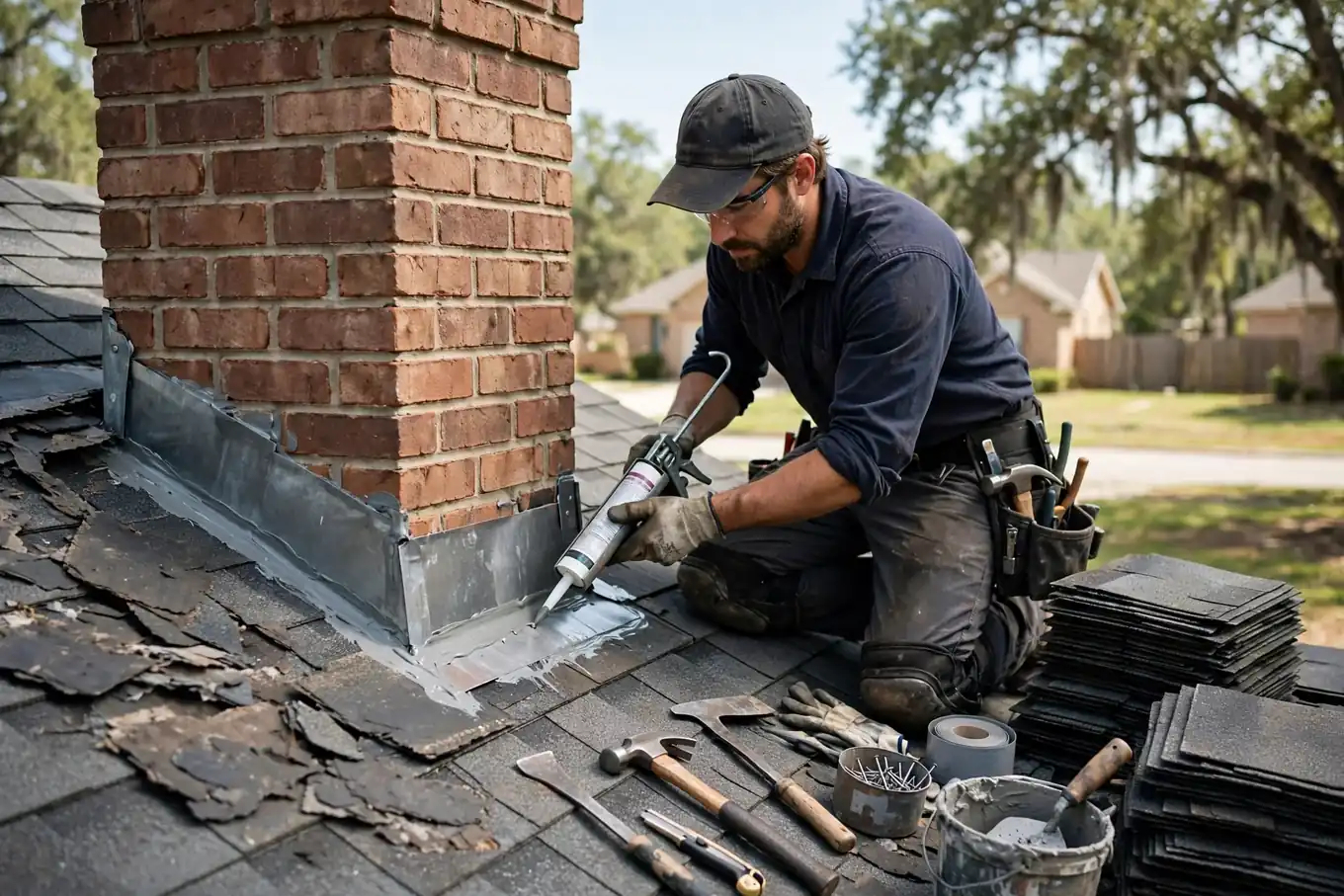
Most leaks start at a transition, not in the middle of a slope. A good inspection checks chimney flashing and counterflashing, step flashing where the roof meets a wall, valleys, skylights, and every pipe boot and vent. Rubber pipe boots in Texas sun commonly crack within 8 to 12 years, well before the shingles around them wear out.
Attic, ventilation and decking
From the attic, an inspector can see things the roof surface hides: daylight at nail holes, water stains on the decking, damp insulation, and whether intake and exhaust ventilation are balanced. Texas attics routinely exceed 140°F in summer, and poor ventilation shortens shingle life and can void some manufacturer warranties.
Soft or sagging decking found from the attic or underfoot on the roof should be noted with photos, because it affects whether a repair or a full replacement makes sense.
Gutters, drip edge and fascia
Gutters full of granules are a sign of an aging or hail-damaged roof. The inspector should also check that gutters slope toward the downspouts, that drip edge is present, and that fascia boards behind the gutters are not rotting.
What the inspection report should include
Ask for photos of every slope, close-ups of each problem with its location, and a written recommendation: repair, replace, or no action needed. If damage is storm-related, the report should say so and show the evidence. A report like this is useful even if you never hire the company that wrote it: you can share it with your insurer or use it to compare other bids.
Not Sure What Your Roof Needs?
Book an inspection and see photos of your own roof before you decide.
Questions, Answered
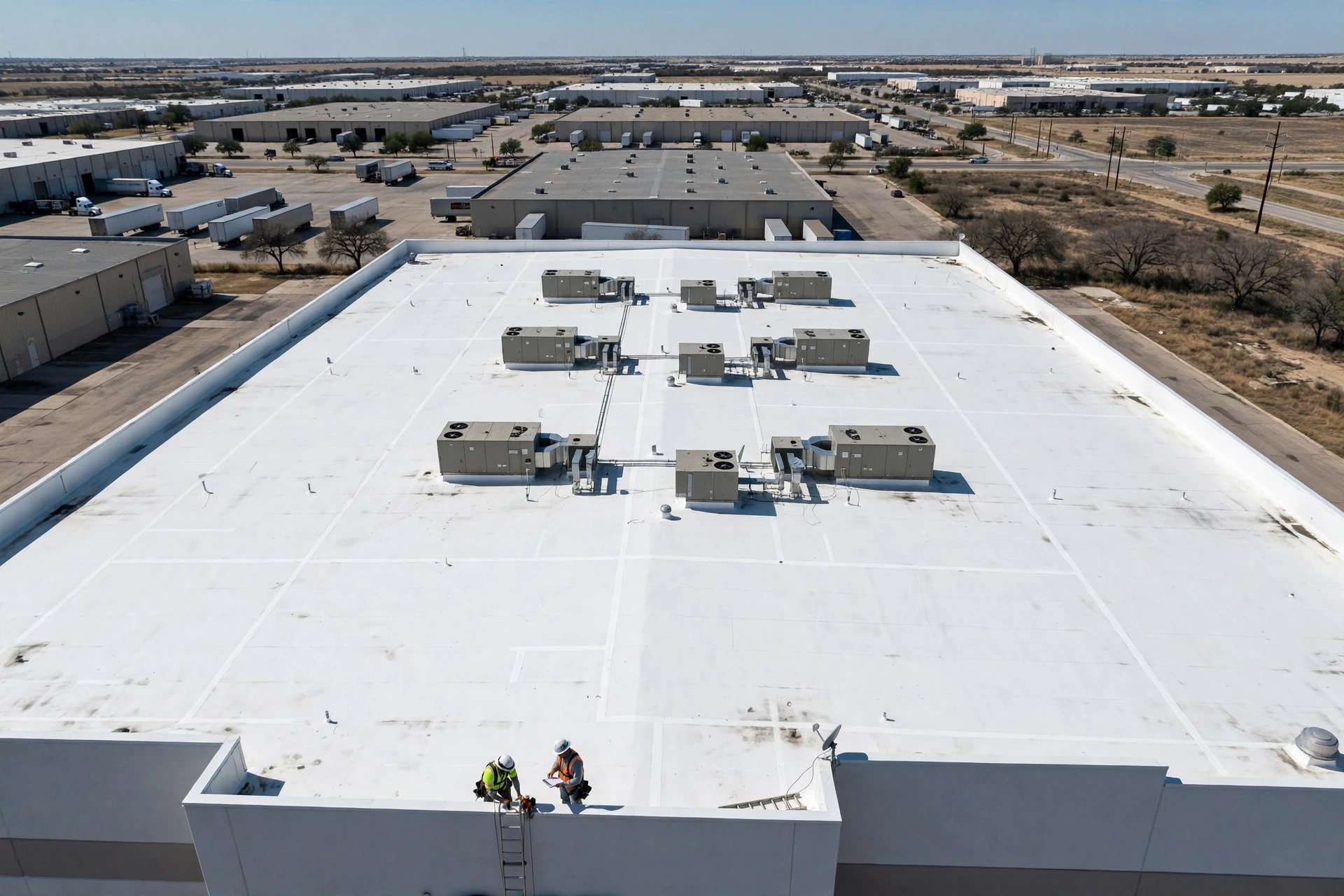
Most residential inspections take 45 to 90 minutes, depending on roof size, pitch and whether the attic is accessible. Commercial roofs take longer.
Once a year is a good baseline, ideally in early spring, plus after any significant hail or wind storm. Roofs older than 15 years benefit from a check every spring and fall.
You can look for warning signs from the ground with binoculars and check the attic for stains, but walking a roof is risky and hail bruising is hard to identify without training. Leave the roof surface to a professional.