Hail Damage Roof Repair in Dallas: Signs and Next Steps
May 4, 2026 · 8 min read · By the LoneRidge Roofing Team
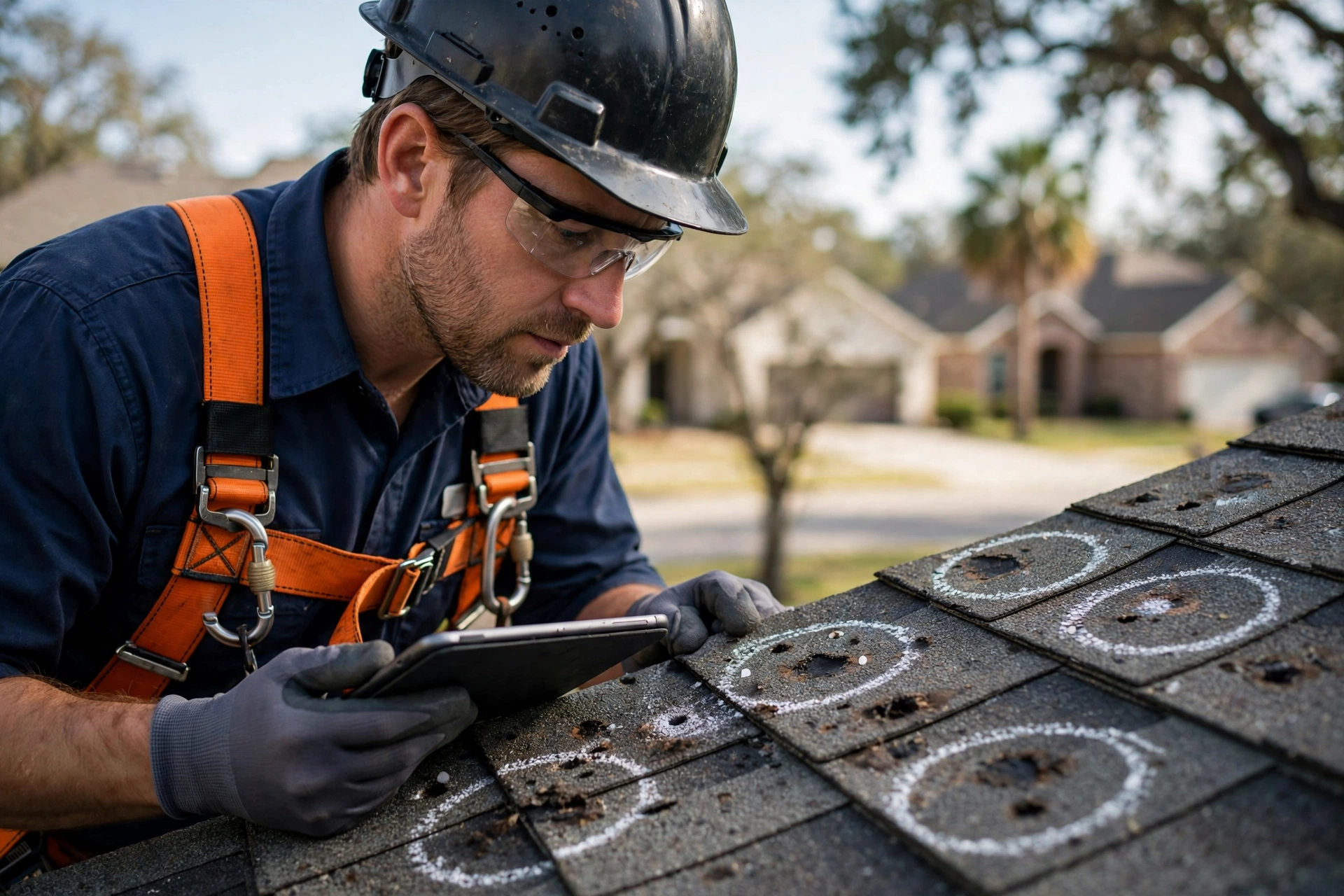
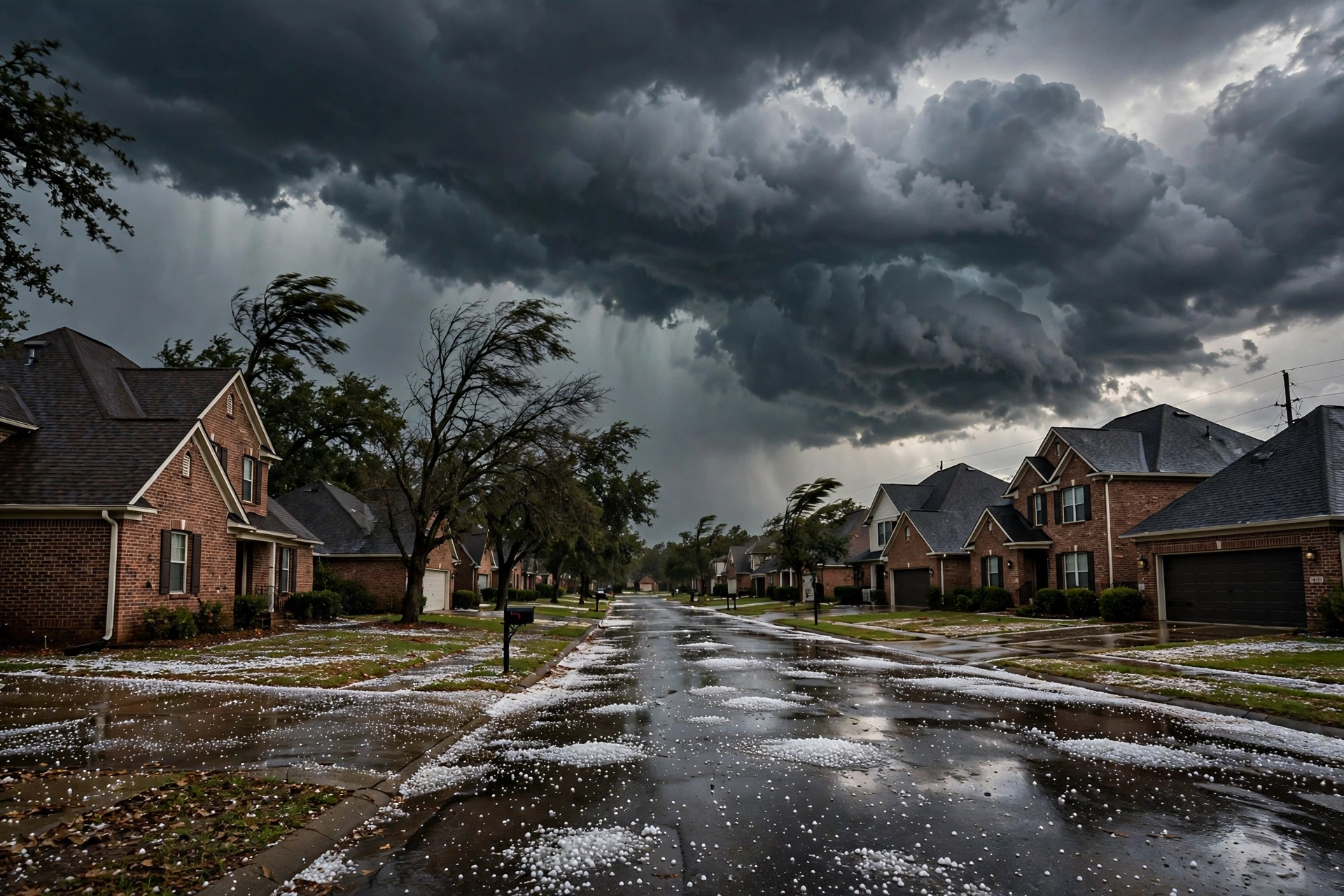
A Dallas hailstorm can be over in twenty minutes and leave questions that last for months. Hail does not always tear shingles off or cause an immediate leak, which is why so many homeowners miss damage until the next heavy rain. This guide walks through what hail actually does to a roof in Dallas, how to spot the signs safely from the ground, what to do in the first 48 hours, and how to think clearly about repair versus replacement.
What Hail Actually Does to a Shingle Roof
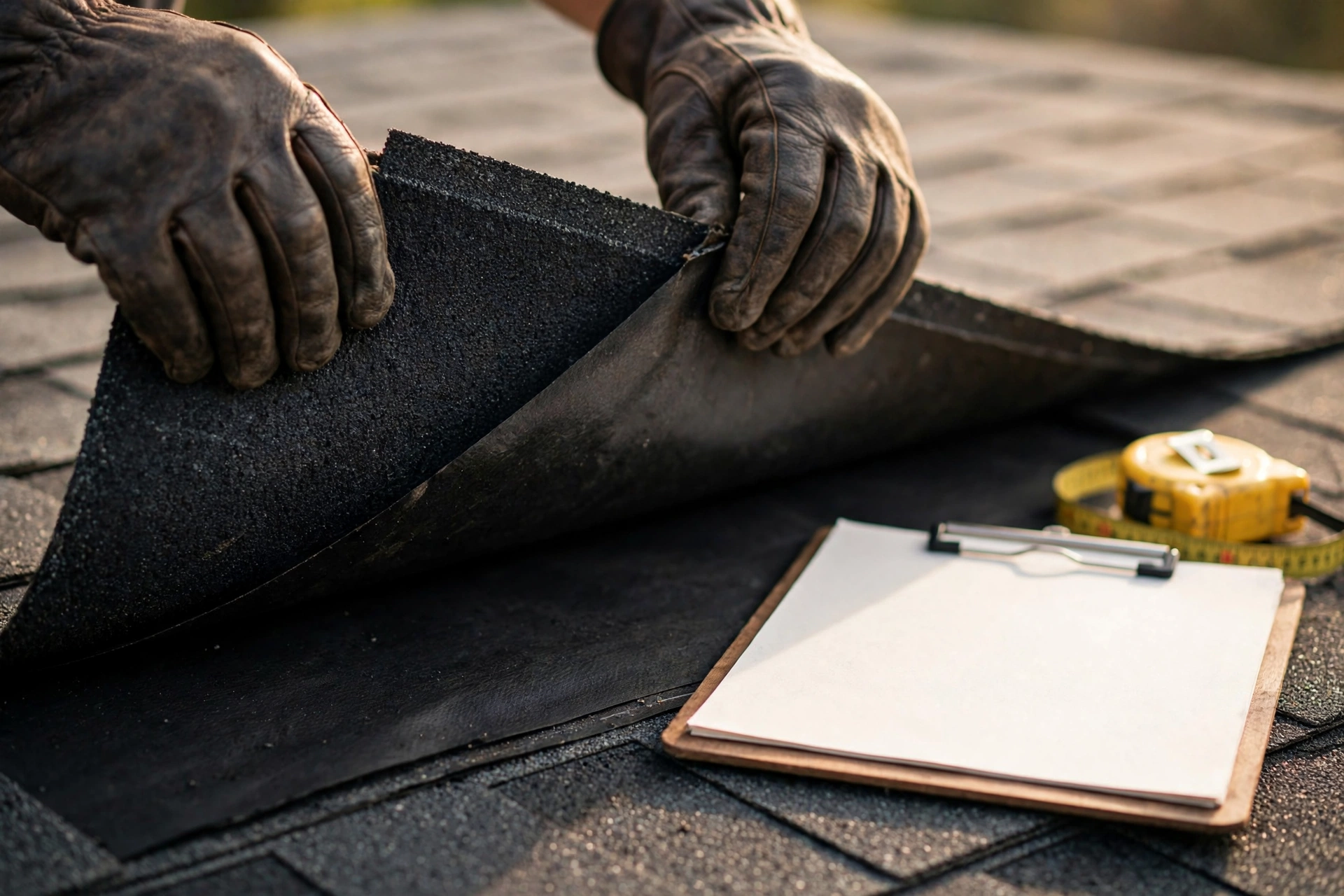
Hail damages asphalt shingles in two main ways. A hard impact can crack the fiberglass mat underneath the surface, weakening the shingle even if it looks mostly intact. Impacts also knock loose the protective granules that shield the asphalt from sun and heat. Once granules are gone, that spot ages faster, becomes brittle, and is more likely to leak over time. The damage is often scattered randomly across a slope, which is different from wear patterns caused by age alone.
Size matters, but it is not the only factor. Wind-driven hail hits harder than hail falling straight down, and older, thinner shingles bruise more easily than newer, thicker ones. Soft metals tell the story early: dented gutters, dinged vent caps, and marked air conditioner fins suggest the roof above them took similar force.
- ★Random, scattered impact marks rather than uniform wear
- ★Granule loss collecting in gutters and at downspout bases
- ★Dents in soft metals like vents, flashing, and gutters
- ★Cracked or bruised shingle mats that feel soft under pressure
Signs You Can Check Safely From the Ground
You do not need to climb on the roof to start assessing a storm. Walk the perimeter once it is safe and look for shingle pieces in the yard, heavy granules washing out of downspouts, and dents in gutters, window screens, and patio covers. Photograph everything with your phone, including the date and time shown by the storm itself, radar reports, news coverage, or a simple screenshot helps establish when the damage likely occurred.
Inside, check ceilings and attic spaces for new stains, damp insulation, or daylight showing where it should not. Not every hail-damaged roof leaks right away, so a dry ceiling is reassuring but not conclusive. If you see active dripping, place a bucket under it, move belongings, and treat the situation as urgent rather than waiting for a full inspection. Document interior damage with photos before you clean anything up.
The First 48 Hours After a Dallas Storm
The first two days are about safety, documentation, and preventing further damage. Stay off a wet or damaged roof entirely, most post-storm injuries happen during well-meaning DIY inspections. If shingles are missing or a section is clearly compromised, a temporary tarp or emergency dry-in, properly secured, can prevent a manageable repair from becoming interior water damage. Keep receipts for any emergency work, as your policy may address reasonable temporary repairs.
At the same time, be deliberate about who you talk to. After major Dallas storms, out-of-area crews canvass neighborhoods quickly. Some are legitimate, many are not. Avoid signing anything at the door, avoid anyone who promises to cover or waive your deductible (that is illegal in Texas), and avoid paying in full up front. Take names, take photos, and take your time. Real storm damage will still be there after you have made a few careful calls.
- ★Stay off the roof and check for hazards from the ground
- ★Photograph exterior and interior damage with timestamps
- ★Make only temporary, documented emergency repairs
- ★Do not sign contracts or pay in full at the door
- ★Save weather reports confirming the storm date
What a Proper Hail Inspection Includes
A thorough inspection looks at the whole roof system, not just a few shingles near the ladder. The inspector should examine each slope, note the direction the storm traveled, test representative areas for mat damage, and check flashing, valleys, vents, and soft metals for corroborating impacts. On many inspections, chalk marks are used to circle suspected hits so they can be photographed and counted consistently. You should receive photos and a written summary, not just a verbal verdict.
Ask what the inspector found slope by slope, and ask what they did not find as well. An honest report distinguishes hail impacts from blistering, manufacturing wear, foot traffic, and prior repairs, problems that look similar but are treated very differently by insurers and by roofers. If a company will only give you a conclusion without evidence, get a second inspection before making decisions about repairs or a claim.
Repair or Replacement: How to Decide
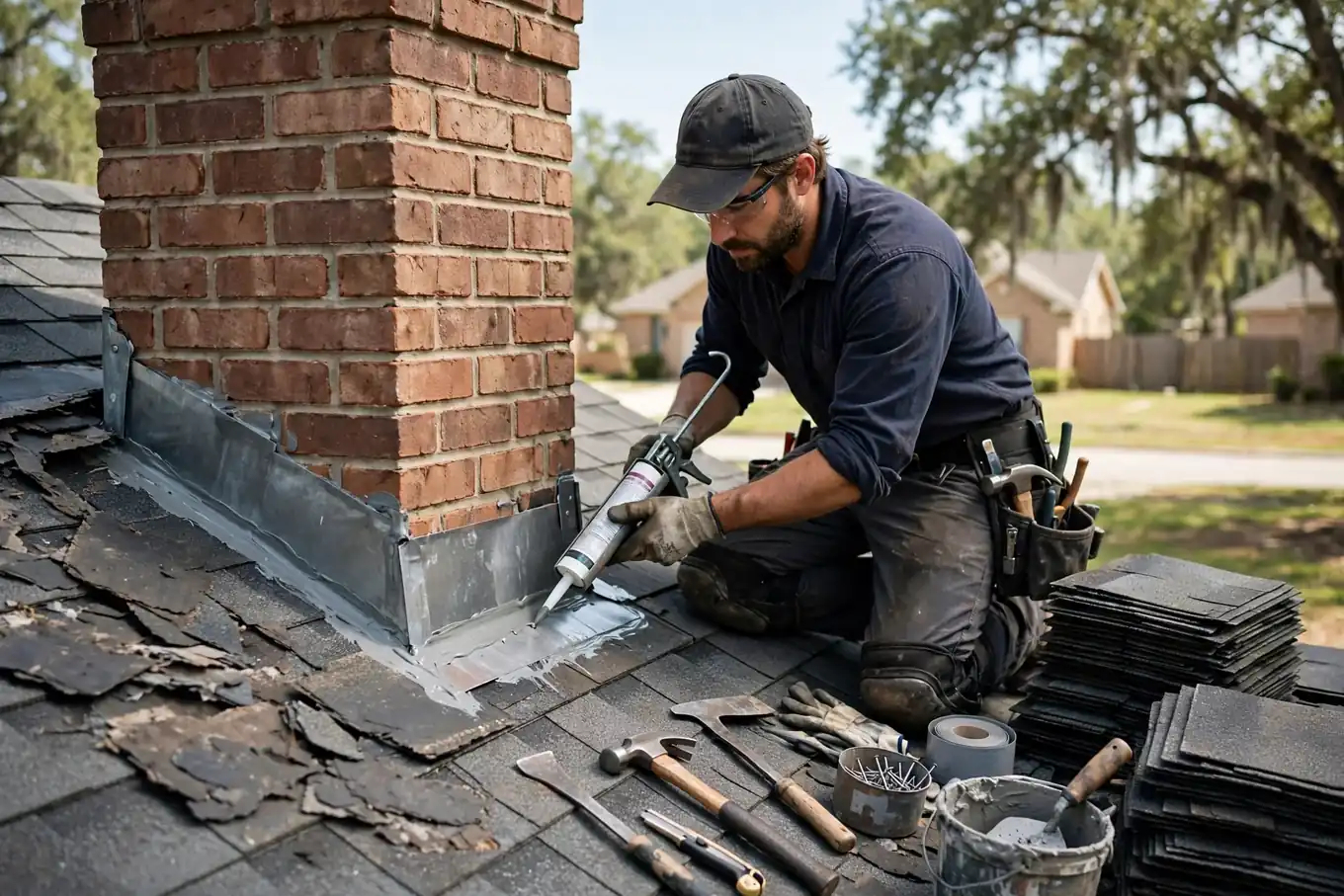
Isolated damage on a younger roof is often a repair job. If impacts are limited to one slope, shingles are still pliable, and matching material is available, targeted repairs can restore protection at a fraction of replacement scope.
Replacement enters the conversation when damage is widespread across multiple slopes, when the shingle mat is cracked in many places, or when the roof was already worn and hail accelerated failure everywhere. Replacing only scattered shingles on a brittle roof can create new problems, since old shingles often crack when lifted for a patch. Weigh the age of the roof, the extent of functional damage, material availability, and what your policy actually covers before deciding. A good contractor will show you both options with honest trade-offs.
When Insurance May Be Part of the Picture
Many Texas homeowners policies cover sudden hail damage, subject to your deductible and policy terms, but coverage is never automatic and this article cannot predict your outcome. If an inspection documents functional hail damage, you can contact your insurer or agent to discuss filing. Keep your inspection photos, storm-date evidence, and any emergency repair receipts together in one folder. Organized documentation makes every later conversation easier, whichever route you take.
Whatever you decide, keep the deductible rule front and center: it is illegal in Texas for a contractor to waive, absorb, or rebate your insurance deductible. Anyone offering to do so is asking you to be part of an unlawful arrangement and is signaling how they handle other rules, too. Plan on paying your deductible as part of a legitimate claim, and judge contractors by their inspection evidence, written scope, and material quality instead.
Not Sure What Your Roof Needs?
Book an inspection and see photos of your own roof before you decide.
Questions, Answered
As soon as it is safe and you have photographed the obvious signs from the ground. You do not need to rush onto the roof, but scheduling an inspection within days helps connect damage to a specific storm date and catches missing shingles or exposed areas before the next rain causes interior damage.
Yes. Hail often cracks the shingle mat or strips granules without opening an immediate leak path. The weakened spots then age faster and may leak months later. That hidden, functional nature of hail damage is exactly why a hands-on inspection matters more than simply checking your ceilings after a storm.
It depends on how widespread the functional damage is, the age and flexibility of your shingles, and whether matching materials exist. Limited damage on a younger roof usually suits repair. Widespread mat cracking across multiple slopes on an older roof often makes replacement the more durable and economical long-term choice.