How to Choose a Roofer in Dallas–Fort Worth
October 23, 2026 · 7 min read · By the LoneRidge Roofing Team
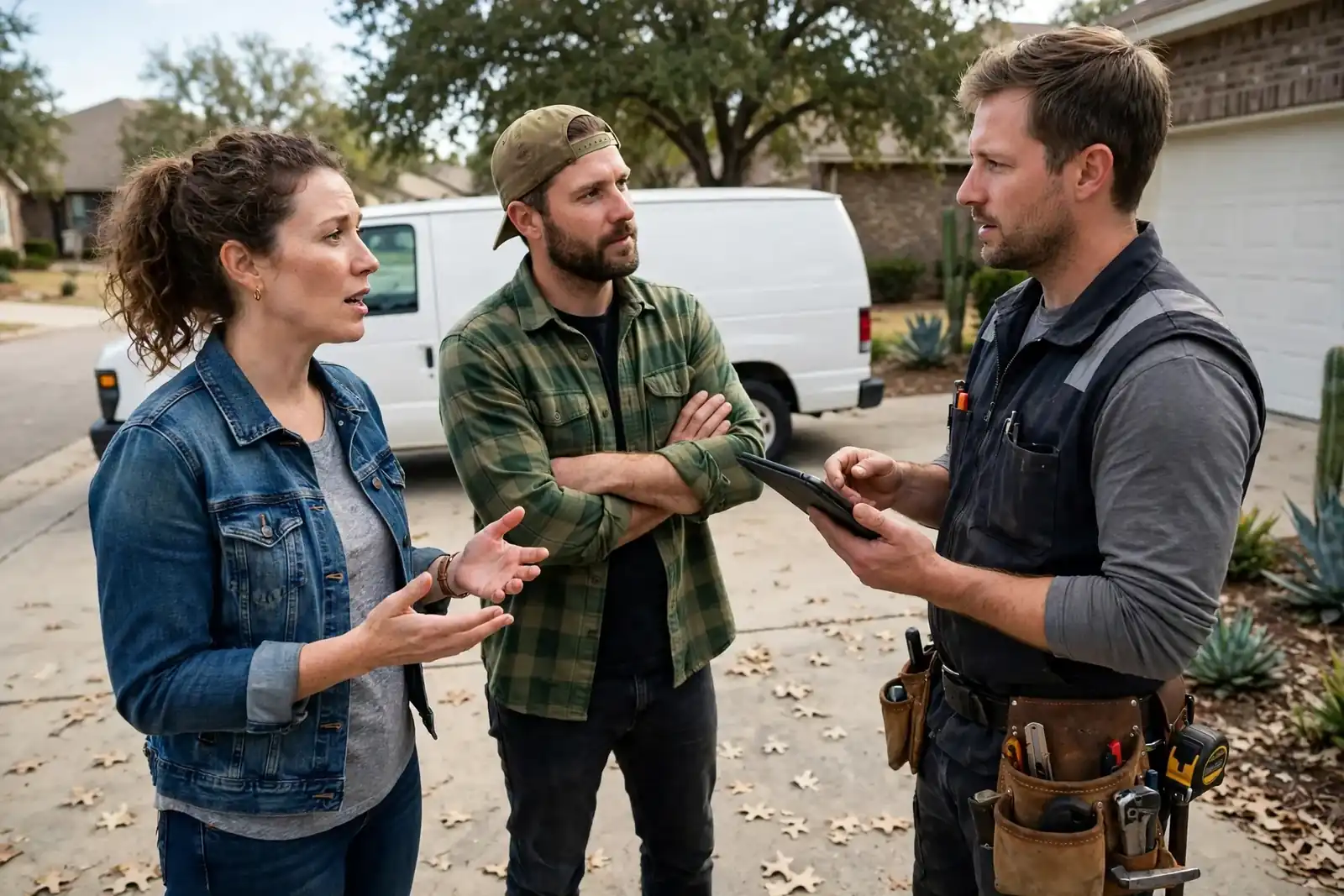
Texas does not require a state license to work as a roofing contractor. That makes it easy for anyone with a ladder and a truck to start knocking on doors after a hailstorm, and it puts the job of vetting squarely on the homeowner. These are the checks that separate an established local roofer from a crew that will be gone before your warranty matters.
Confirm insurance in writing
Ask for a certificate of general liability insurance and proof of workers' compensation or an occupational accident policy, sent directly from the insurance agent. If a worker is injured on your property and the contractor is uninsured, you can be exposed to the claim.
Look for a local, verifiable business
A real company has a local phone number that is answered, a physical presence in the area, and a history you can check. Search the company name with your city, read reviews on more than one site, and ask for addresses of recent jobs nearby.
The Roofing Contractors Association of Texas (RCAT) offers a voluntary license that requires insurance and testing. It is not mandatory, but it shows a contractor took extra steps.
Insist on a written, line-by-line scope
A proper proposal lists the shingle manufacturer and line, underlayment, how damaged decking will be handled, ventilation, flashing, drip edge, tear-off and disposal, and cleanup. If two bids are far apart, the scope usually explains why.
- ★Exact materials, brand and product line
- ★Decking policy: inspected and replaced as needed, priced per sheet
- ★Ventilation plan and flashing replacement, not reuse
- ★Workmanship warranty length, in writing
- ★Permit and cleanup responsibilities
Red flags after a storm
Be cautious of anyone who offers to cover your deductible (illegal in Texas), asks you to sign an assignment of benefits or contract before an inspection, demands full payment up front, or pressures you to decide the same day. Legitimate roofers will give you time and a written scope.
Ask about warranties
There are two kinds: the manufacturer's material warranty and the contractor's workmanship warranty. Ask how long the workmanship warranty lasts and what it covers, and whether the installer is certified by the shingle manufacturer, which can unlock longer warranty options.
Not Sure What Your Roof Needs?
Book an inspection and see photos of your own roof before you decide.
Questions, Answered
No. Texas has no statewide roofing contractor license. Some cities require registration or permits for roofing work, and RCAT offers a voluntary license.
Two or three written quotes with comparable scopes is usually enough to judge fair pricing and spot anything missing.
A reasonable deposit for materials is common. Paying the full amount before work begins is a red flag.